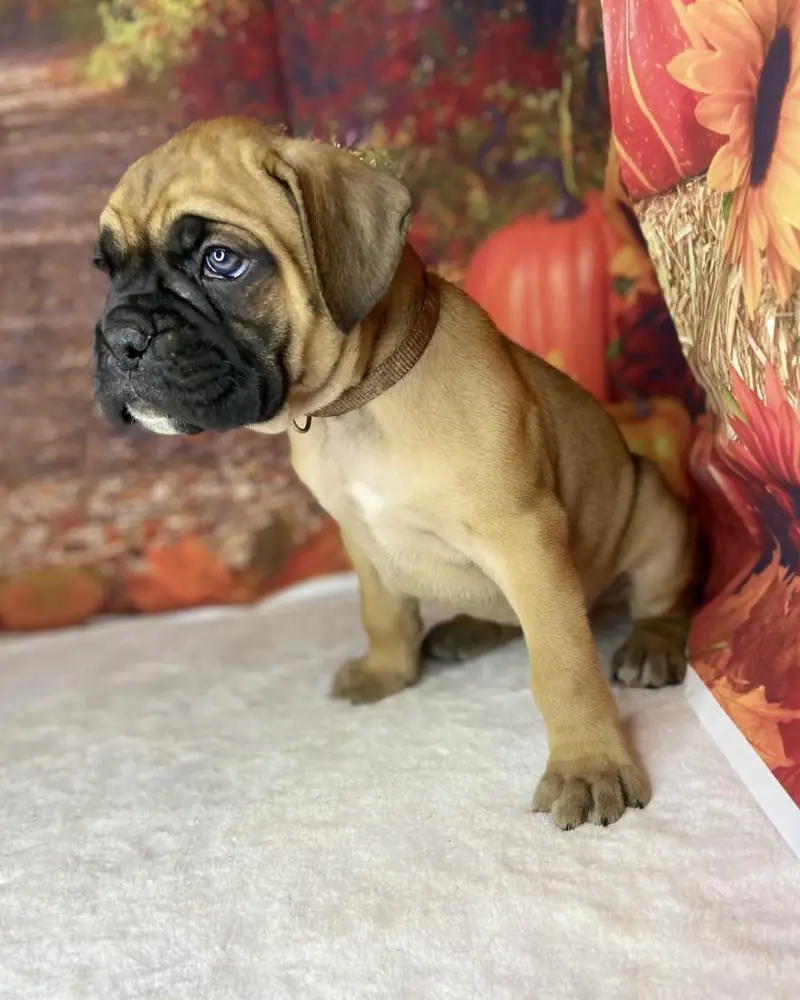
Mason
- SexMale
- ColorFawn
- Age9 weeks
$700Available
From Draco Boxers in Macedonia, Ohio. Updated 30 October 2026.
How long do Boxers live? Plan on 10 to 12 years. That is the figure from the American Kennel Club, and the American Boxer Club agrees. Some see 13 or 14, and those that die before 10 most often have cancer or heart disease.
Genes write part of that story before a puppy ever leaves the litter. The family who takes it home writes the rest, starting with the first vet visit and the first bowl of food. Here is what the research shows about Boxer lifespan, and what you can do at each stage, from a 9-week puppy in our house in Macedonia to a gray-muzzled senior on your sofa.
Ten to twelve years is the honest average, and vet records from ordinary pet Boxers back up the AKC's figure.
The clearest numbers come from London. In 2023 the Royal Veterinary College published a study of more than 3,000 Boxers on the books of everyday UK vet practices, and the median age at death came out at roughly 10.5 years.
Median here means the middle dog. Line up every Boxer in the study by age at death and the one in the center died at about 10.5, with half the dogs before it and half after.
Not at all. The London researchers compared Boxers with breeds of a similar build and found them level, so a Boxer's years are normal for its weight class.
In dogs generally, a bigger body tends to mean a shorter life, and no other single factor predicts it as well. According to the AKC, a small breed will often outlast a large one by several years, a pattern researchers still cannot fully explain. A Boxer male of 65 to 80 pounds sits in the medium to large band (see Boxer size and growth for the full picture).
Next to the small lapdog breeds a Boxer usually gives up a few years; next to a giant like the Great Dane, whose AKC range is 7 to 10 years, it comes out ahead. Averages describe thousands of dogs, though, and the habits further down shift the odds for the one asleep in your living room.
Well past 12, for some. Plenty of Boxers celebrate a 13th or 14th birthday, and now and then one makes it to the middle teens. The oldest Boxer in the London study reached 18. Nobody should plan on that, but it shows how far the breed can go.
Two things account for most of the gap between a Boxer lost at 9 and one still dozing on the porch at 14. One is largely out of your hands: many early deaths come from cancer or an inherited heart condition, and both have a strong genetic side. The other is yours, meaning how lean and fit the dog stays, how clean its teeth are, how well it is kept out of the heat, and how soon a fresh lump or a faint gets looked at.
Neither, by any margin worth weighing. In the London data, females had a median of about 10.4 years and males about 10.5, so the difference comes to roughly five weeks. Lifespan gives you no reason to prefer a boy or a girl, so choose on personality and how the puppy fits your household; our guide to Boxer temperament helps with that.
Most early losses in the breed trace back to one of these.
Our part comes first. A vet checks every puppy before it goes, and the health record that travels with it lists every vaccine and deworming dose given so far. From then on the habits are yours, and they are far easier to build at 9 weeks than at 9 years.
Our guide to bringing home a Boxer puppy covers the first days in more detail. Still choosing? Each of the Boxer puppies available now goes home with that record and the written guarantee.
None of these adds years alone; together they give a Boxer its best shot at the top of the range.
Around 8. The American Animal Hospital Association counts the last quarter or so of a dog's expected life as its senior stage. Take a quarter off a 10 to 12 year span and you arrive at about 8.
Nothing switches overnight. The first sign is usually a frosting of gray around the mouth, and it can arrive while the dog is still as fast as ever. Later come longer naps, a slower start on cold mornings, and a pause before jumping up on the sofa. The sense of humor tends to outlast everything else.
Twice-yearly checkups make sense from here, and many vets pair them with blood and urine panels, which can show kidney, thyroid or liver trouble before you would notice anything at home.
Whenever something changes, since a small change is often the only early clue. Book an appointment for any of these:
Height usually stops between 12 and 18 months, but the chest and muscle keep developing until about 2, and some males until nearly 3. Our Boxer growth chart follows it month by month.
Yes. Ten is close to the median, not a deadline, and many Boxers that age still enjoy their walks, their food and their family. Keep up the six-monthly checkups and act early on anything new.
Less than it used to, but some every day. Two or three shorter, slower outings on grass suit most seniors better than one long march, and in summer they belong in the cool of early morning or evening.
Early. Insurers usually exclude conditions that existed before the policy began, so buying while the puppy is young and well protects the most, and cancer and heart care, both common in Boxers, can run up large bills. Check how each policy treats hereditary conditions.
Ask your vet for a quality-of-life assessment, which weighs pain, appetite, movement, breathing and the pleasure left in your dog's days. Marking each day on a calendar as good or bad can also show the trend more clearly than memory does.
 How Big Do Boxers Get? From Puppy to Full Grown BoxerHow big do Boxers get? Adult height and weight for males and females, a growth chart from 6 weeks to 2 years, when growth...Open the guide
 Bringing Home a Boxer Puppy: The First Weeks and Early TrainingBringing home a Boxer puppy at 9 weeks: getting the house ready, the first night, crate size, potty training in snow...Open the guide
 Health GuaranteeWhat the 1-year written guarantee coversRead more
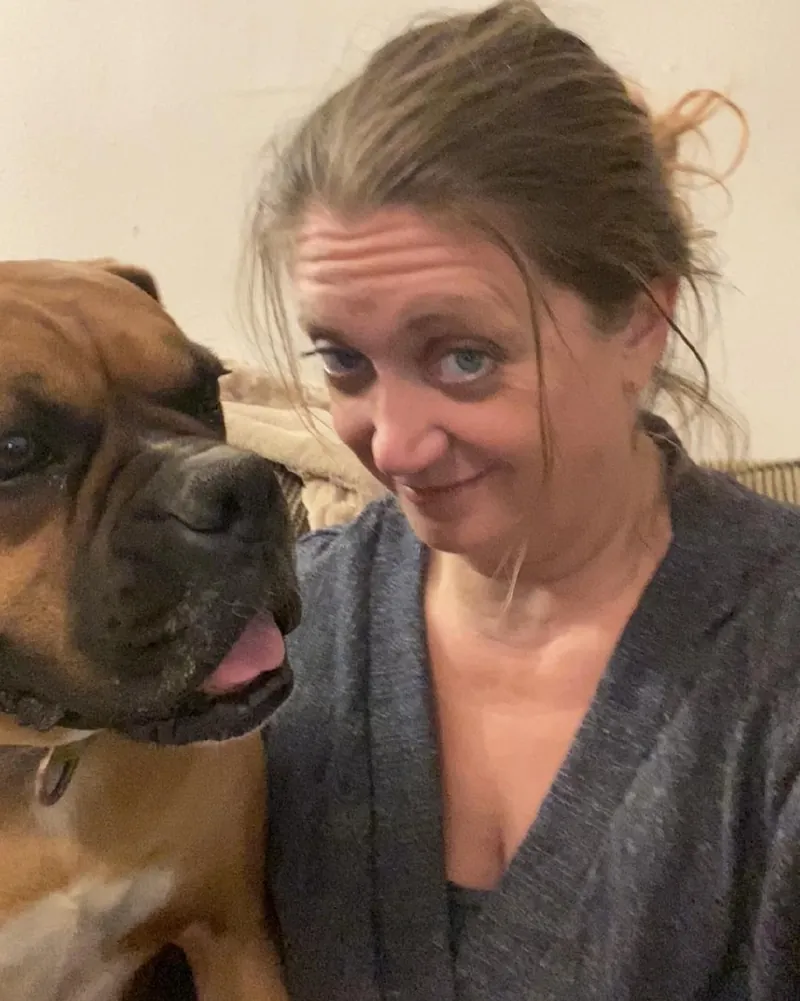 Boxer Temperament: What a Boxer Is Like at HomeBoxer temperament from a home where the dogs live indoors: children, cats, visitors, time alone, energy by age...Open the guide
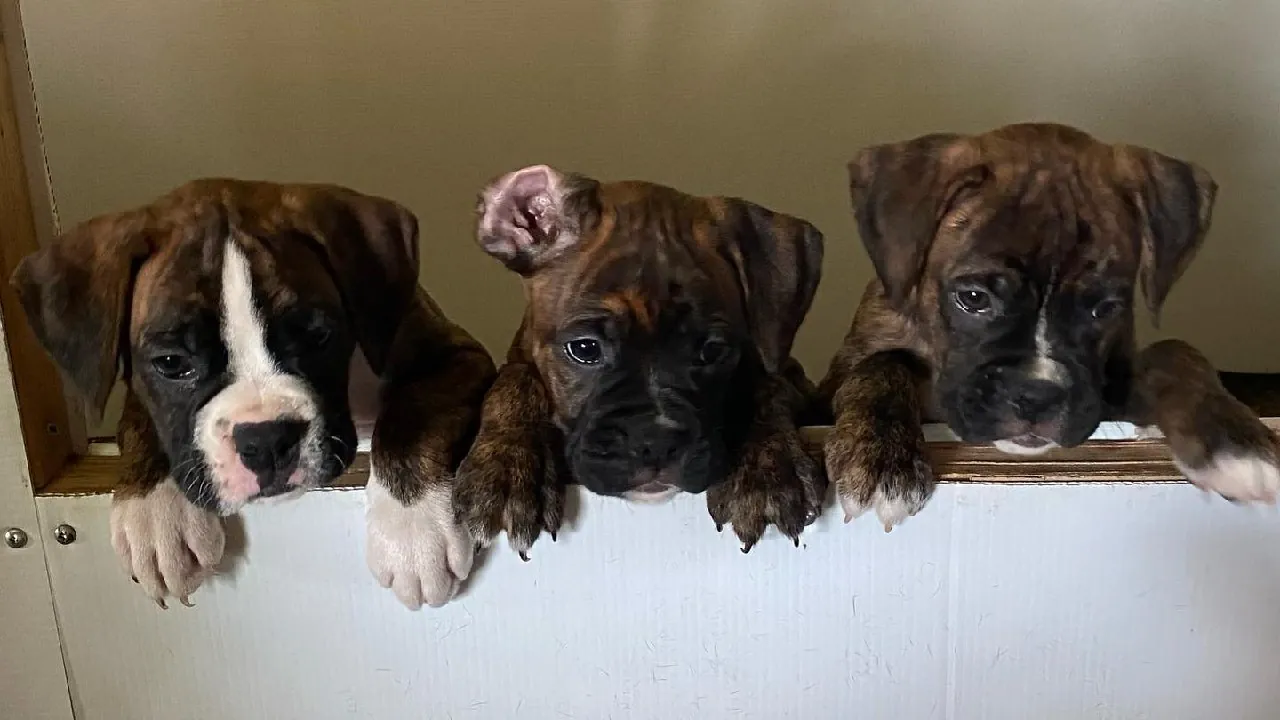 Available PuppiesEvery puppy we have right now, with photosView the puppies
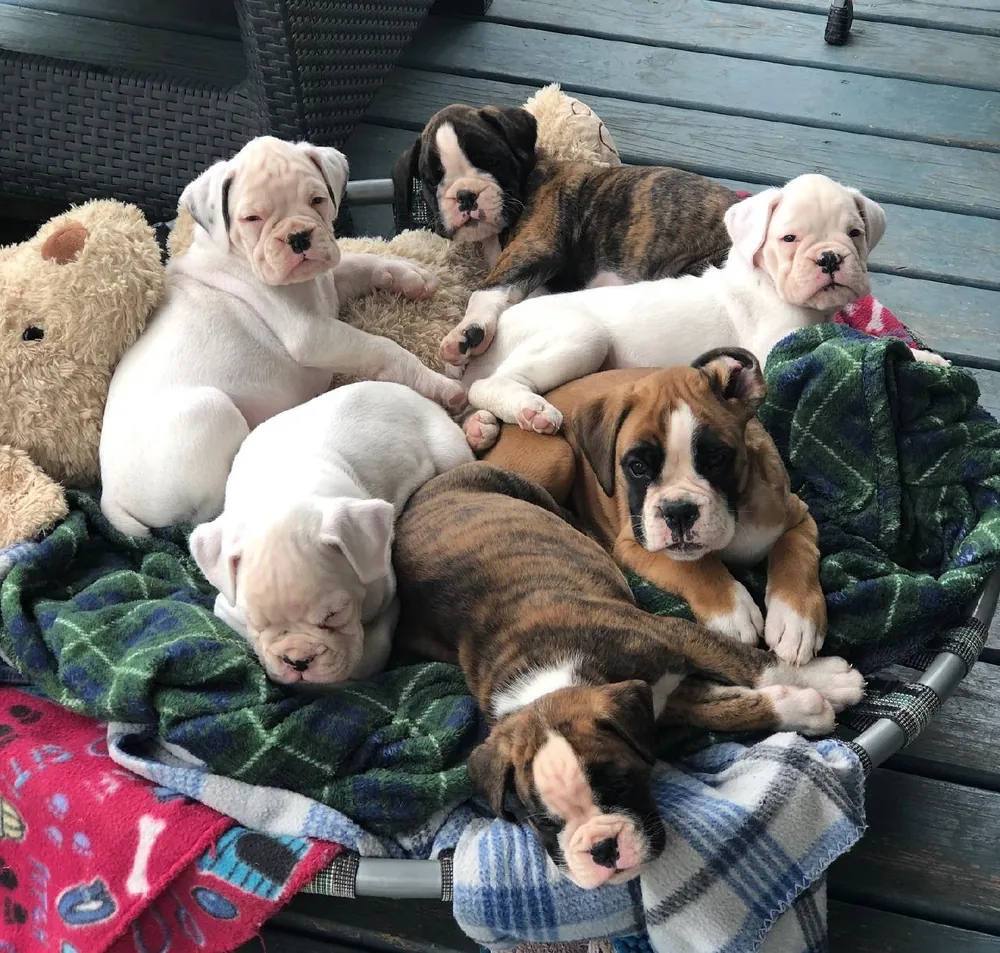 Boxer With a Tail or Docked? Tails, Ears and What to ExpectOur Boxer puppies go home at 9 weeks with docked tails and cropped ears.Open the guide
Look through the puppies we have now, and send us whatever questions you still have.